Winter Work in New Zealand for Backpackers
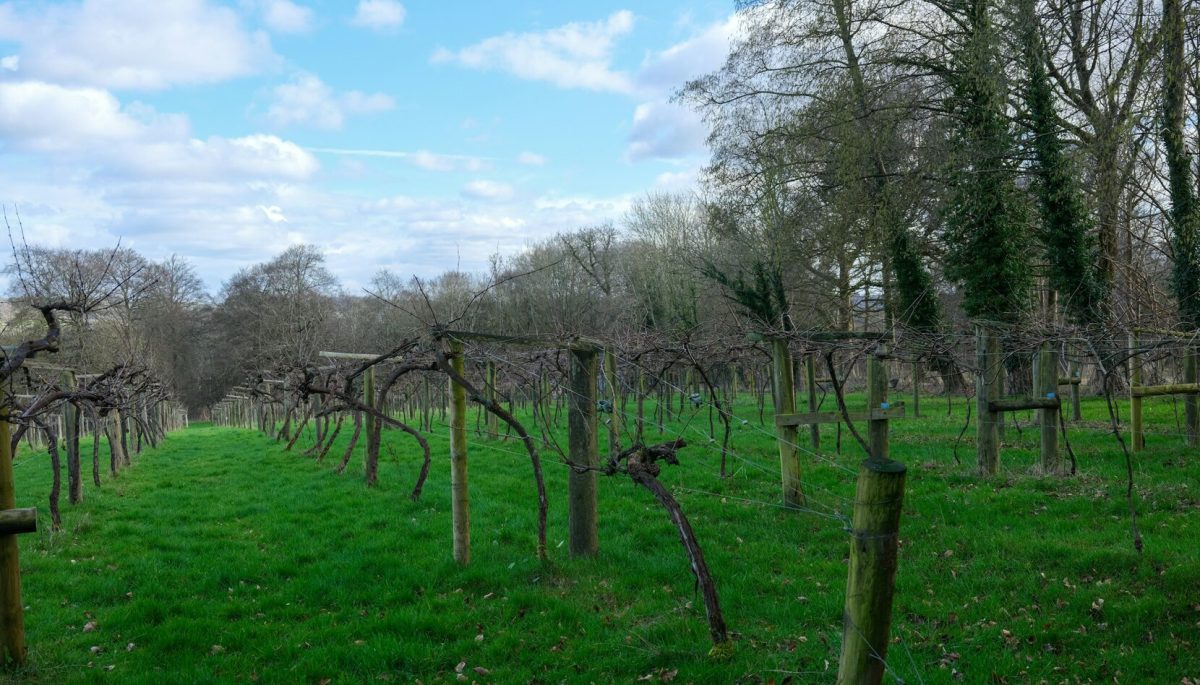
In winter, from June to September, backpackers in New Zealand find work mainly in vineyard pruning, above all in Marlborough, which holds 73 percent of the country's planted vineyard area. The other winter employers are the ski fields from June to October, kiwifruit orchards that prune their vines, and dairy farms that need help with calving from July. Pruning is paid per vine or by the hour, never below the minimum wage of NZD 23.95 an hour.
Winter is when most travellers discover how seasonal New Zealand really is. The harvest ends in June, the orchards go quiet and the packhouses cut their crews, and anyone who has not planned the next three months starts spending their savings. The work has not disappeared, it has moved: from the orchards to the vineyards, from the Bay of Plenty to Blenheim, and partly up the mountains.
Vineyard pruning in Marlborough
Marlborough is New Zealand's largest wine region by a distance. New Zealand Winegrowers' 2026 vineyard report puts it at 32,191 hectares, 73 percent of the country's planted vineyard area. Every one of those vines has to be pruned between harvest and spring, which is why Blenheim, Renwick and Seddon need pruning crews from June until about September.
The work is outdoors in the vine rows. You cut back last season's growth, leave the canes the vineyard manager wants for next year, and strip the old wood out of the trellis wires. It is skilled work in the sense that a good pruner makes the right cuts quickly, and slow work for everyone in their first week.
Pruning is often paid per vine. As with picking, if your per-vine earnings fall below the adult minimum wage for the hours you worked, the employer must top them up. Some contractors pay hourly for the first days while new pruners learn, then switch to a rate per vine. Ask which applies before you start.
After pruning: wrapping, bud rubbing and wire lifting
The vineyard year continues straight after pruning. From August into September the chosen canes are tied down along the wires, which is called wrapping. From October to December crews rub off unwanted buds and lift the foliage wires as the vines grow. These jobs are lighter than pruning and often go to people who stayed through winter, which makes Marlborough one of the few places where a traveller can work for six months or more in one region.
The other winter work
Central Otago and Hawke's Bay vineyards
Both regions prune in winter too, on a smaller scale than Marlborough. Central Otago is colder and closer to the ski fields, which suits travellers who want to prune on weekdays and ski at the weekend.
Kiwifruit pruning
Kiwifruit orchards in the Bay of Plenty prune their vines from June to August. Fewer people are needed than at harvest, but the jobs are steady and the climate is mild. Details in the kiwifruit season guide.
Ski fields and ski towns
Ski fields run from June to October and hire lift staff, rental technicians, drivers and hospitality crews, mostly in Queenstown, Wanaka, Methven and on Mount Ruapehu. The catch is timing: they recruit in March and April, months before the snow. See how to get a ski season job.
Dairy farms
Calving on most New Zealand dairy farms starts in late July and peaks in August and September. Farms in Waikato, Canterbury and Southland look for help with calf rearing and milking. It means early mornings, mud and animals, and it often comes with accommodation on the farm. Current openings are under farm work jobs.
A route that keeps you working through winter
The months that cost travellers the most money are the gaps between jobs, not the jobs themselves. One sequence avoids most of them. Pack or pick kiwifruit in the Bay of Plenty until the harvest ends in June. Drive south and cross to the South Island in time for pruning in Marlborough from July. Stay for wrapping in August and September, then bud rubbing into the spring. From there it is a day's drive to Central Otago, where the cherry harvest starts in December.
That is close to a full year of seasonal work with only two moves, and every part of it is horticulture or viticulture, which matters for the visa extension. It also means you book accommodation in only two towns instead of five, which is where most of a season's savings disappear.
How to line up winter work
Start looking in May, before the kiwifruit and apple seasons end. Pruning contractors in Marlborough recruit through job boards and hostels in Blenheim, and many want people who can commit for the whole of winter. Search the current vacancies on our page of fruit picking and horticulture jobs and filter by Marlborough. The general approach to applying and checking an offer is in how to get a fruit picking job.
Vineyard pruning counts as viticulture work for the working holiday visa extension. If you picked or packed in autumn and prune in winter, you can reach the three months of seasonal work that the extension requires.
What is not good about it
Winter pruning is cold, wet and hard on the hands. Frost mornings in Marlborough are common, days are short, and you spend them standing in mud with secateurs. The first week on a per-vine rate is often slow enough that you earn only the minimum top-up, and some people give up before they get fast. If you are not prepared to be outside all day in the cold, a winter in a ski town or a packhouse that is still packing out of cool storage will suit you better, even if it pays less.
Next
Long winter contracts with contractors are where pay and conditions most often go wrong. Before you sign, read your rights as a seasonal worker in New Zealand.
Frequently asked questions
What jobs can backpackers do in winter in New Zealand?
Mainly vineyard pruning in Marlborough, Central Otago and Hawke's Bay, kiwifruit pruning in the Bay of Plenty, ski field and ski town jobs, and calf rearing on dairy farms from late July.
When is vineyard pruning season in New Zealand?
From June to about September. It is followed by wrapping in August and September and by bud rubbing and wire lifting from October to December.
How much does vineyard pruning pay?
Pruning is often paid per vine. If your earnings fall below the adult minimum wage of NZD 23.95 an hour for the hours you worked, the employer must top them up. Experienced pruners earn above the minimum.
Why is Marlborough the main place for winter work?
Because it has most of the country's vines. New Zealand Winegrowers' 2026 report puts Marlborough at 32,191 hectares, 73 percent of New Zealand's planted vineyard area, and every vine is pruned each winter.
Does vineyard pruning count for the working holiday visa extension?
Yes, pruning is viticulture work. Combined with autumn picking or packing, a winter of pruning can bring eligible working holiday visa holders to the three months of seasonal work the extension requires.
Do I need experience to prune vines?
No. Contractors train new pruners, sometimes on an hourly rate for the first days. Expect to be slow for the first week; speed comes with practice.