How to Get a Fruit Picking Job in New Zealand
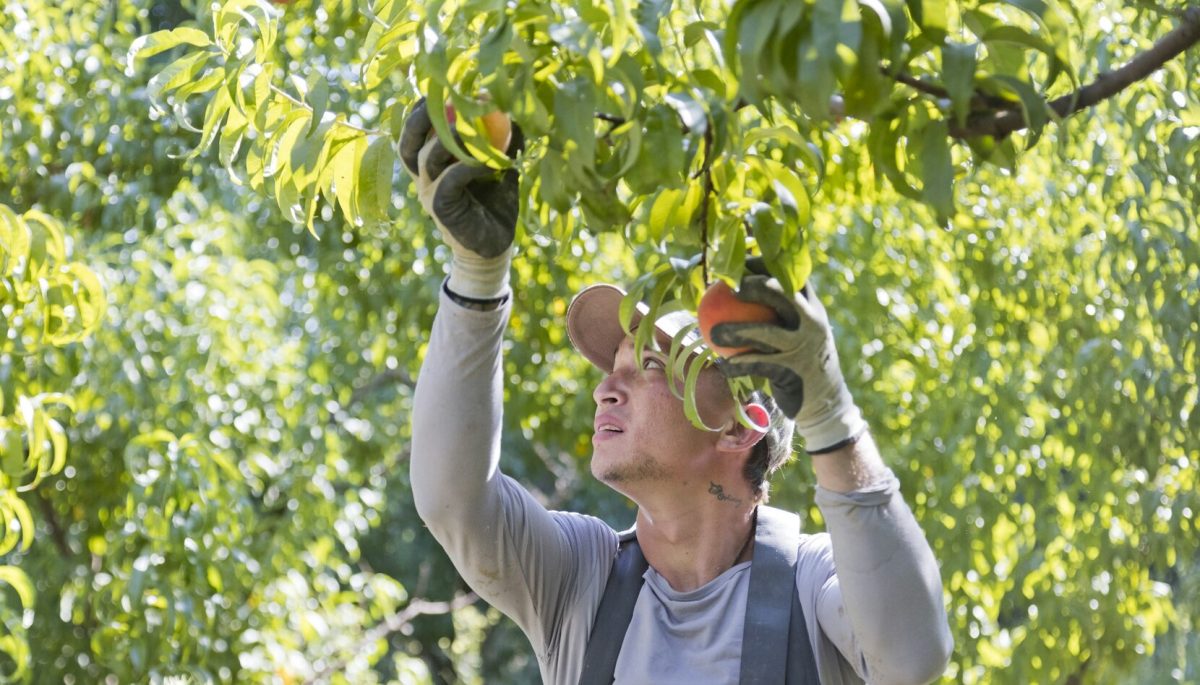
To get a fruit picking job in New Zealand you need a visa that allows work, an IRD number and a New Zealand bank account, and then you apply directly to orchards, packhouses and labour contractors three to four weeks before the harvest starts. No experience is required. Pay is at least NZD 23.95 an hour, and in a normal season the industry needs far more people than it can find: kiwifruit alone needs around 24,000 seasonal workers at its peak.
That last number is the reason this is easier than people expect. It is also the reason so many travellers end up in the wrong job: when everyone is hiring, the first offer is rarely the best one. This guide covers the order to do things in, where the vacancies actually come from, and how to tell a good employer from a bad arrangement before you have moved halfway across the country for it.
Step 1: sort the paperwork before you apply
Employers ask for three things in the first conversation, and an application missing any of them usually goes no further.
- Work rights. A visitor visa does not allow any work, including work traded for accommodation. Most pickers come on a working holiday visa, which permits seasonal work with almost any employer. The rules by nationality are in how the working holiday visa works.
- An IRD number. New Zealand's tax number. Inland Revenue aims to issue one within 8 to 10 working days. Without it your employer must deduct 45 percent of your pay. Details in getting an IRD number and tax code.
- A New Zealand bank account. Wages are paid by direct credit, normally weekly. Open the account in your first week, because the IRD application asks for it too.
If you are still waiting for the IRD number when a job offer comes, take the job anyway and hand the number over the day it arrives. The overpaid tax is refunded, but it is far simpler to avoid it.
Step 2: pick a region and a month
Orchards do not hire in general, they hire for a crop, and each crop has a window of a few weeks. Applying to a cherry grower in March or a kiwifruit packhouse in October gets no reply, not because you were rejected but because there is nothing to hire for. Decide where you want to be and when, then work backwards: the fruit picking season calendar sets out each crop by region and month.
As a rule of thumb, apply three to four weeks before the start of the harvest. That is early enough to get a confirmed start date and late enough that the grower already knows how big the crop is and how many people they need.
Step 3: where the jobs come from
There are four routes into the orchards, and they are not equally good.
Directly from growers and packhouses
The best route if you can manage it. You deal with the people who run the work, your employment agreement is with them, and the large operators usually have staff accommodation or a list of places nearby. Most of them advertise on job boards in the weeks before harvest. You can see every current listing on our page of fruit picking jobs in New Zealand, filtered by region.
Labour contractors
Contractors supply crews to several orchards and move you between them. That can mean steadier hours across a season, because when one block is finished the crew goes to the next. The quality varies a great deal. A good contractor gives you a written agreement, clear piece rates and weekly payslips; a bad one gives you a phone number and a meeting point. Ask for the agreement before the first day.
Working hostels
In Te Puke, Motueka, Hastings and Kerikeri some hostels arrange work for the people staying with them. It works well when the hostel has a genuine relationship with growers, and badly when you are simply paying for a bed while waiting. One reader took a work-and-stay package in Tauranga and found there was a gap of about a week between arriving at the hostel and the job starting, something nobody had mentioned before booking. Their account of six weeks as a kiwifruit thinner is worth reading before you commit to one.
Word of mouth
Once you are in a picking town, the people around you are the best job board there is. Crews talk about which orchards pay on time and which are short of pickers this week. It is how most second jobs are found.
Step 4: apply properly
Short and specific wins. Growers read dozens of messages in the weeks before harvest and they are looking for three answers: when can you start, how long can you stay, and can you get to the orchard. A message that answers those in the first two lines gets a reply.
- State your available dates, and say so if you can stay for the whole harvest. Staying to the end is what growers struggle to find.
- Say whether you have your own transport. Many orchards are 10 to 20 minutes outside town.
- Mention any physical work you have done before, even if it was not on a farm.
- Keep your phone on. In a busy week the first person who answers often gets the place.
Step 5: check the offer before you accept
Every employee in New Zealand must have a written employment agreement. Before you travel, ask for it, or at least for the details that will be in it: the hourly rate or piece rate, the expected hours, the start date, and any deductions for accommodation or transport. If the work is paid per bin, the agreement should say that your pay will be topped up to the minimum wage for the hours you work. If an employer will not put any of this in writing, that tells you how the rest of the season will go. What you are entitled to is set out in your rights as a seasonal worker.
What is not good about it
Finding a job is easy, but the job you find first is often the one nobody else wanted. In the busiest weeks some arrangements fill up because travellers take whatever is offered: a contractor without written terms, a hostel package with a waiting week, an orchard an hour away with no transport. The cost of a bad choice is not only lower pay but a week or two of the season lost while you start again somewhere else. Spending one more day comparing offers is usually worth more than accepting the first reply.
Where to go from here
If you would rather work indoors on an hourly rate, the packhouses hire alongside the orchards and often for longer: see what packhouse work is like. If you are weighing whether to pick at all, is fruit picking in New Zealand worth it? goes through the money honestly.
Frequently asked questions
How quickly can I start a fruit picking job after applying?
Often within one to two weeks during the harvest. Growers who are short of pickers sometimes ask people to start within days, which is why it helps to have your IRD number and bank account sorted before you apply.
Do fruit picking employers in New Zealand provide accommodation?
Some do, usually for a weekly charge, and many others work with nearby hostels or campgrounds. Any deduction for accommodation from your wages must be agreed in writing.
Do I need a car for fruit picking in New Zealand?
Not always, but it helps a lot. Many orchards are outside town and start early. Some employers and working hostels run transport, so ask before you accept.
Is it better to work for a grower or a labour contractor?
Working directly for a grower or packhouse is usually the safer choice. Contractors can offer steadier hours across several orchards, but check that they give you a written agreement and weekly payslips before you start.
What should I bring on my first day of fruit picking?
Sturdy closed shoes, a hat, sunscreen, water, food for the whole day and clothes for both cold mornings and hot afternoons. Some orchards supply picking bags, but ask whether you need your own gloves.
Can I get a fruit picking job without speaking fluent English?
Yes. Basic English is usually enough to follow safety instructions and work in a crew. Supervisors show new pickers what to do in the first hours.