Packhouse Work in New Zealand: Jobs, Shifts and Pay
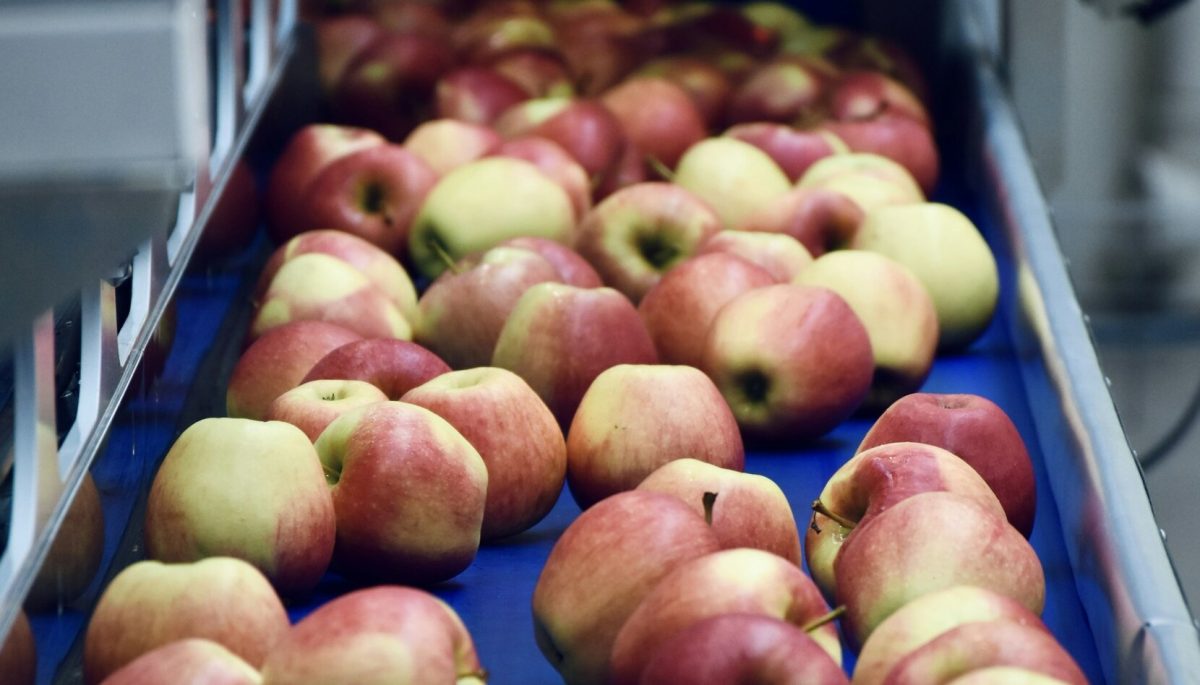
Packhouse work in New Zealand means sorting, grading and packing fruit on an indoor production line, usually in shifts of 8 to 12 hours, paid by the hour at or above the minimum wage of NZD 23.95. It needs no experience, it continues when rain stops the picking, and in the kiwifruit season the big packhouses run around the clock. The trade-off is repetition: you do the same few movements for the whole shift, standing up.
Every apple, pear and kiwifruit that leaves a New Zealand orchard passes through a packhouse, and the 2026 kiwifruit crop alone was forecast at more than 220 million trays. That is why packhouses are one of the largest seasonal employers in the country and why many travellers end up there after a week of picking. This guide explains the jobs, the shifts and the pay, and what a full season actually feels like.
The jobs on a packhouse floor
Fruit arrives from the orchard in bins, runs along a grading line, is sorted by size and quality, packed into trays or cartons, stacked on pallets and moved into cool storage. Each step is a separate job.
- Grader. Stands at the line and removes fruit with blemishes, marks or damage. The most common entry job. It needs concentration more than strength.
- Packer. Places graded fruit into trays or cartons in a set pattern. Fast hands matter; some packhouses pay packers by the tray on top of the hourly rate.
- Stacker or palletiser. Lifts full cartons onto pallets. The most physical job in the building.
- Bin tipper and line feeder. Keeps fruit flowing into the start of the line.
- Forklift driver. Moves bins and pallets. Needs a forklift certificate and usually pays more. Some packhouses train their own staff at the start of the season.
- Cool store and quality control. Checking temperatures, sampling fruit and recording results. Often given to people who have already done a season.
Shifts and hours
Expect long days in the peak weeks. Shifts of 8 to 12 hours are normal, often five or six days a week, and in the kiwifruit season many packhouses run a day shift and a night shift so the line never stops. The hours drop at the start and the end of the season, when less fruit is coming in.
Two reader accounts show the range. One apple packer in Motueka worked a steady 40 hours a week, Monday to Friday, from March to May, and wrote about it in working as an apple packer in Motueka. A kiwifruit grader in the same town worked 45 to 50 hours a week for 8 weeks and described it in packing kiwifruit in Motueka. Both were paid the rates of their time; today the floor is NZD 23.95 an hour.
Pay
Packhouse work is paid by the hour, at least the adult minimum wage of NZD 23.95 from 1 April 2026. Night shifts, weekend work and skilled roles such as forklift driving or quality control often pay more. Because hours are long, overtime makes a real difference to a weekly payslip; whether it is paid at a higher rate depends on your employment agreement, not on law.
Holiday pay is owed on top. For seasonal jobs shorter than twelve months it is usually paid as 8 percent added to each pay and shown separately on the payslip. What all of this leaves you with after tax is worked through in how much backpackers earn in New Zealand.
Packhouse or orchard?
| Packhouse | Orchard picking | |
|---|---|---|
| Where | Indoors, on a line | Outdoors, in rows, often on ladders |
| Pay | Hourly | Often per bin, topped up to the minimum |
| Weather | Works in the rain | Rain stops picking |
| Hours | Long, regular shifts, sometimes nights | Daylight only, depends on the crop |
| Upside | Predictable income | Fast pickers can earn well above the minimum |
If a predictable weekly income matters most, choose the packhouse. If you are fit, quick and want the chance to earn more than the hourly rate, pick. Many people do one and then the other in the same season.
How to get a packhouse job
Packhouses recruit slightly later than orchards, because their work starts when the first fruit comes in: from February for apples and from March for kiwifruit. The largest operators run their own recruitment and often need hundreds of people at once; one Te Puke packing company alone employs around 1,300 people across its Bay of Plenty sites. Apply directly, and look at the current listings for fruit picking and packhouse jobs in the region you are heading to. The general steps, from paperwork to checking the offer, are in how to get a fruit picking job.
Mention any factory, warehouse or kitchen experience: it shows you can stand for a full shift and keep pace with a line. If you hold a forklift licence, say so in the first line.
What is not good about it
The work is monotonous, and a whole season of it wears people down in a way the first week does not show. The line is loud, the cool store is cold, you are on your feet for the whole shift and you repeat the same movement thousands of times a day. The Motueka grader put it plainly: packhouse work makes you a little twitchy. Night shifts make it harder, because sleeping in a hostel during the day rarely works. If you choose packhouse work, choose your accommodation with that in mind.
Next
Most packhouse work in New Zealand is kiwifruit, and the season has its own rhythm and its own capital: see when kiwifruit season is and how to get work in Te Puke. Before you sign, it is worth knowing what you are entitled to as a seasonal worker.
Frequently asked questions
How much do packhouse workers earn in New Zealand?
At least the adult minimum wage of NZD 23.95 an hour from 1 April 2026, plus 8 percent holiday pay on most seasonal contracts. Night shifts and skilled roles such as forklift driving often pay more.
How long is a packhouse shift?
Usually 8 to 12 hours, often five or six days a week in the peak of the season. Kiwifruit packhouses commonly run both day and night shifts.
Do I need experience to work in a packhouse?
No. Grading, packing and stacking are trained on the first day. Only forklift driving needs a certificate, and some packhouses provide the training.
When do packhouses hire in New Zealand?
From around February for apples and from March for kiwifruit, with most kiwifruit packhouse work running until June. Apply a few weeks before the season starts.
Is packhouse work better than fruit picking?
It is more predictable: hourly pay, indoor work and no lost days to rain. Picking can pay more for fast workers. Which is better depends on whether you value a steady income or the chance to earn above the hourly rate.
Does packhouse work count for the working holiday visa extension?
Packing fruit is generally treated as horticulture work for the extension, but check the current criteria with Immigration New Zealand and keep your payslips and an employer letter that confirms the dates and the type of work.