When Is Kiwifruit Season in New Zealand?
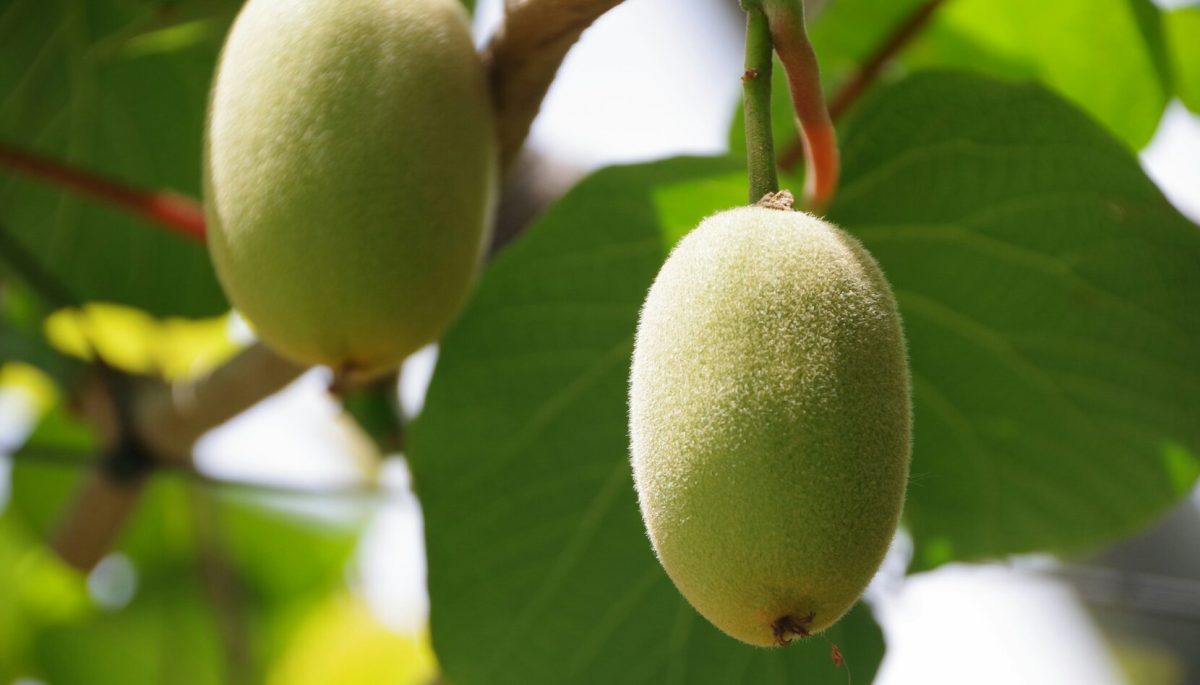
Kiwifruit season in New Zealand runs from March to June, when the fruit is picked and packed, and it is centred on Te Puke in the Bay of Plenty. Gold kiwifruit is usually picked first, from March, and green follows from April. For the 2026 harvest the industry estimated around 19,000 seasonal jobs in the Bay of Plenty and about 24,000 nationwide. Outside the harvest, orchards still hire for thinning in spring and pruning in winter.
Kiwifruit is the biggest seasonal employer in New Zealand, and for a few weeks every autumn the Bay of Plenty runs out of people. That makes it the most reliable place for a traveller to find work, as long as you arrive in the right month and have somewhere to sleep. This guide covers the kiwifruit year, where the work is, how pickers and packers are paid, and the one problem that catches people out every season.
The kiwifruit year
| Months | Work on the orchards | Work in the packhouses |
|---|---|---|
| March to June | Harvest: picking gold first, then green | Grading, packing, stacking, cool stores, often 24 hours a day |
| June to August | Winter pruning of the vines | Packing out of cool storage, smaller crews |
| September to October | Tying down canes, girdling, preparing the vines | Quiet |
| October to December | Thinning shoots and removing surplus flowers | Quiet |
The harvest is when most people are hired, but it is not the only window. Thinning in spring is lighter work and steadier, if not exciting. One reader spent six weeks thinning shoots and then removing the smaller flowers from each cluster on an orchard near Tauranga in spring. They described it as easy, repetitive and paid every week, in working with kiwi fruit in New Zealand.
Where the work is
Te Puke and the Bay of Plenty
Te Puke calls itself the kiwifruit capital of the world, and in March and April it lives up to it. Orchards surround the town in every direction and several of the country's largest packhouses are here; one Bay of Plenty packing company alone employs around 1,300 people. Katikati, Tauranga, Pongakawa and Opotiki are part of the same growing area, so the region absorbs thousands of travellers at once.
Northland
Kerikeri and the surrounding district grow kiwifruit too, on a smaller scale and often with a quieter atmosphere. Two travellers who went there straight from Auckland wrote about thinning and vine training on a Kerikeri orchard in from the big city to the field of kiwi fruit.
Elsewhere
Gisborne, Waikato and the top of the South Island around Motueka also grow kiwifruit. Motueka's packhouses hire for kiwifruit grading in April and May, which suits travellers who are working their way south before winter.
Picking or packing
Kiwifruit pickers work in crews under the vine canopy, filling picking bags that are emptied into bins. Pay is often per bin with a guarantee that your earnings for the day are topped up to the minimum wage of NZD 23.95 an hour. The canopy is low, so tall people spend the day with their head bent.
Packhouse staff grade, pack and stack the fruit under cover, usually paid by the hour, and the large sites run day and night shifts through the peak. Packhouse work keeps going when rain stops the picking, which makes it the steadier income. What the work is like from the inside is covered in packhouse work in New Zealand.
Your first days on a kiwifruit orchard
Picking starts after the dew has dried, which can mean a late start on cold autumn mornings and a long wait if the fruit is still wet. Supervisors show new pickers how to pull the fruit cleanly from the stalk without damaging it, because a scratched or bruised kiwifruit is rejected in the packhouse and costs the grower money. Expect a few slow days while you learn to fill a bag quickly without dropping fruit.
Bring clothes for both a cold start and a warm afternoon, sturdy closed shoes, water and lunch. Under the canopy there is shade but little air, and the overhead wires and branches are at head height for many people, so a cap is worth having.
How to get kiwifruit work
Apply in February for the harvest, in August or September for thinning, and in May for winter pruning. Packhouses run large recruitment drives and often hold group inductions in the week before they start. Orchards hire directly or through labour contractors who supply several properties. You can see the current openings on our page of fruit picking jobs in New Zealand, and the kiwifruit-specific listings on kiwifruit picking jobs.
Kiwifruit harvest and packing counts as horticulture work for the working holiday visa extension. Three months of it can add three months to an eligible visa, so a full season in the Bay of Plenty can pay twice. See the working holiday visa guide for the conditions.
The problem nobody plans for: a bed
Te Puke is a small town that needs thousands of extra people for a few weeks. Hostels, holiday parks and rooms fill up before the harvest starts, and prices go up with them. Travellers who arrive with a job but nowhere to stay end up commuting from Tauranga or Rotorua, or sleeping in their car. Ask every employer whether they have staff accommodation or work with a hostel, and book something before you drive there. If a hostel offers you a bed in exchange for work, read where the legal line is for work for accommodation first.
What is not good about it
Kiwifruit cannot be picked wet, so a rainy week in April means no picking and no pay for the orchard crews, while the rent still has to be paid. Pickers can lose two or three days in a bad week. Packhouse staff are protected from that, but they pay for it in long shifts on a loud line. Neither half of the industry is easy money, and the season is short: by the end of June the harvest is over and most of the jobs are gone.
Next
When the kiwifruit harvest ends, the vineyards start pruning. Where backpackers can work in winter covers the months from June to September.
Frequently asked questions
When is kiwifruit picking season in New Zealand?
From March to June. Gold kiwifruit is usually picked first, from March, and green kiwifruit from April. The exact start moves by a week or two each year depending on the weather and when the fruit is ready.
Where is the best place to find kiwifruit work?
Te Puke and the wider Bay of Plenty, which has the largest share of the orchards and packhouses. Northland, Gisborne, Waikato and Motueka also hire, on a smaller scale.
How many seasonal workers does the kiwifruit industry need?
For the 2026 harvest, industry estimates put demand at around 19,000 seasonal jobs in the Bay of Plenty and about 24,000 across New Zealand at the peak.
How are kiwifruit pickers paid?
Often per bin, with a top-up so that your pay for the hours worked is never below the adult minimum wage of NZD 23.95 an hour. Packhouse staff are usually paid by the hour.
Is there kiwifruit work outside the harvest?
Yes. Orchards hire for winter pruning from June to August and for thinning and flower removal from October to December. These jobs are fewer but often last several weeks.
Does kiwifruit work count for the working holiday visa extension?
Kiwifruit harvest, packing, pruning and thinning are horticulture work. Three months of it can make eligible working holiday visa holders eligible for a three-month extension.