Is Fruit Picking in New Zealand Worth It?
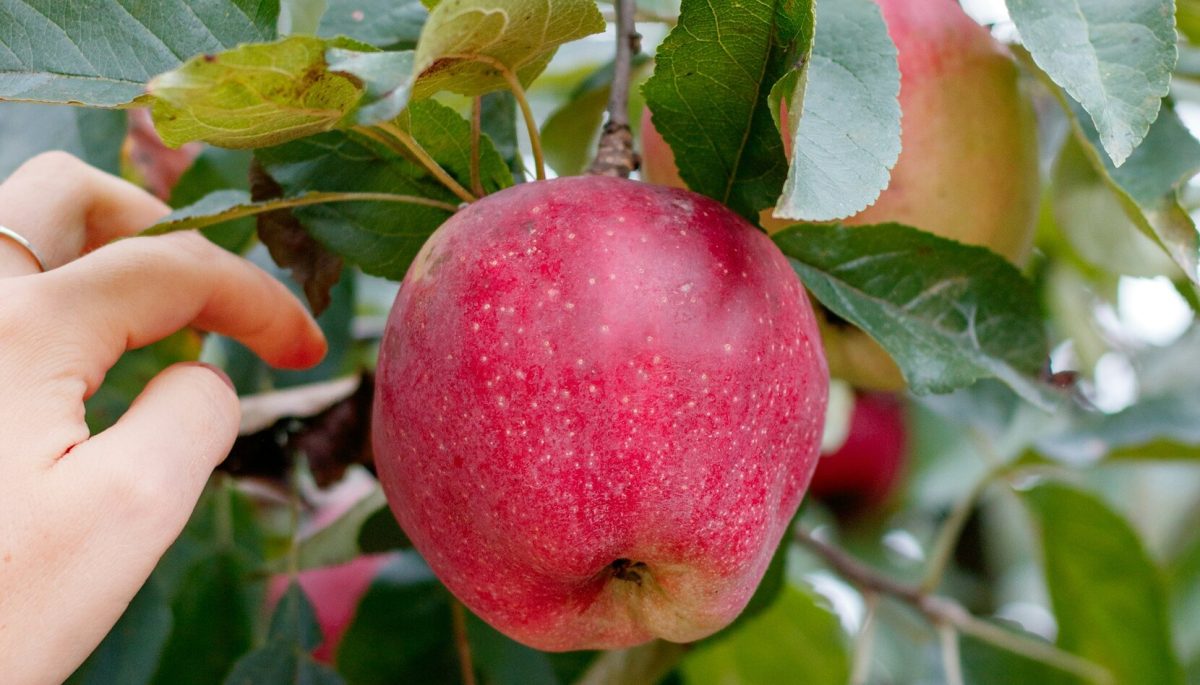
Fruit picking in New Zealand is worth it if you want to fund your travels, can stay for a whole harvest and do not mind hard physical work outdoors. It is not a way to save a large sum quickly. A full 40-hour week at the minimum wage of NZD 23.95 leaves about NZD 795 after tax, and once accommodation, food and transport are paid, a realistic saving is a few hundred dollars a week, less in a rainy one.
People ask this question in two very different moods. Some want to know whether picking is a good way to pay for a year in New Zealand. Others have just finished their first week, have sore shoulders and a smaller payslip than they hoped for, and want to know whether it gets better. This guide answers both, with the numbers worked out rather than guessed.
The money, worked out
At the adult minimum wage of NZD 23.95 an hour, which applies from 1 April 2026 and also to piece-rate pickers through the top-up, a full week looks like this. Tax is calculated at the 2026-27 rates with the ACC levy of 1.75 percent; the costs are an example budget for a harvest town.
| Good week (40 hours) | Rainy week (24 hours) | |
|---|---|---|
| Gross pay | NZD 958 | NZD 575 |
| After tax and ACC | NZD 795 | NZD 485 |
| Accommodation | NZD 180 | NZD 180 |
| Food | NZD 110 | NZD 110 |
| Transport and phone | NZD 60 | NZD 60 |
| Left over | about NZD 445 | about NZD 135 |
The difference between those two columns is the whole story of fruit picking. Your costs stay the same every week, your income does not. A season with a dry March is a good season, a wet one is not, and no one can tell you in advance which one you will get. Holiday pay of usually 8 percent comes on top of the gross figures, and fast pickers earn above the minimum, but you should not build a budget on either. The full pay calculation is in how much backpackers earn in New Zealand.
What people who did it report
Our readers have sent in their own accounts over the years, and they are more honest than any advertisement. Three of them describe the range well.
A Belgian traveller graded kiwifruit in a Motueka packhouse for 8 weeks, working 45 to 50 hours a week and living in a tent at the local backpackers for NZD 90 a week. They finished with NZD 2,500 saved and spent it on a ski season pass, at wages well below today's. The low rent did most of the work: packing kiwifruit in Motueka.
A traveller who thinned kiwifruit near Tauranga for six weeks called it the easiest and most boring job in the world, saved what they needed and left, and admitted they would have saved more without the beer and wine. That is a fair summary of how most seasons go: working with kiwi fruit in New Zealand.
And a group who followed a tip to an apple orchard near Hamilton ended up in a rough working hostel with low pay and hard conditions. Their account is the least flattering on the site and the most useful to read before you accept a job sight unseen: the Gorilla Hut.
Who it is worth it for
- People who can stay for the whole harvest. The first week is the slowest and the hardest on the body. Most people are noticeably faster by the third week, and that is when piece rates start paying more than the minimum.
- People who want the visa extension. Three months of horticulture or viticulture work lets eligible working holiday visa holders apply to stay three months longer. For many, that is worth more than the wages. The conditions are in the working holiday visa guide.
- People who want to see small-town New Zealand. Motueka, Te Puke, Hastings and Cromwell are not on most itineraries, and a season there is a different country from the one in the brochures.
- People who keep their costs down. Cheap accommodation decides the season, more than the pay rate does.
Who it is not worth it for
- Anyone counting on large savings. Picking funds travel. It rarely funds much else.
- Anyone who can only stay a week or two. You pay the cost of learning and leave before you get fast.
- Anyone with back, knee or shoulder problems. Ladders, picking bags and bending under kiwifruit canopies all hurt. Packhouse work on an hourly rate is the better choice: see packhouse work in New Zealand.
How to make it worth more
Arrive in the right month, so you do not pay rent while waiting for the harvest to start. Book accommodation before you go. Choose an employer with written terms, so the minimum wage top-up is actually paid, and check your payslips for hours and holiday pay. Stay to the end of the season, when growers are short of people and often extend the best workers into packing or pruning. And line up the next job before this one ends: winter work keeps the income going from June.
When you are ready, the current vacancies are on our page of fruit picking jobs in New Zealand.
What is not good about it
Fruit picking is not well paid for the effort. You work as hard as on any building site, in the sun or the cold, for the lowest legal wage in the country, and on bad days you are paid nothing at all because it rained. Some employers cut corners precisely because their workers are temporary. People who enjoy a season do so because of the place and the people, not because of the money, and it is better to know that before you go than to find out in the second week.
Next
If you have decided to go ahead, start with how to get a fruit picking job in New Zealand.
Frequently asked questions
How much can you save fruit picking in New Zealand?
In a good 40-hour week at the minimum wage, after tax and typical costs for accommodation, food and transport, roughly NZD 400 to 450. In a rainy week it can fall to about NZD 100 to 150, because costs stay the same while hours drop.
Is fruit picking hard work?
Yes. It is physical outdoor work with ladders, heavy picking bags and long days, often in the sun. Most people find the first week the hardest and get noticeably faster by the third.
Do fast pickers earn more than the minimum wage?
Yes, when they are paid per bin or bucket and the fruit is good. Slow pickers are protected by the minimum wage top-up, so nobody earns less than NZD 23.95 an hour for the hours worked.
What happens to my pay when it rains?
Picking usually stops in rain, and you are normally only paid for the hours you work. A rainy week can cut your income by half while costs stay the same. Packhouse work continues in the rain.
Is fruit picking worth it for the working holiday visa extension?
For many travellers, yes. Three months of horticulture or viticulture work makes eligible working holiday visa holders able to apply for a three-month extension of their stay.
Is packhouse work a better choice than picking?
For people who want a predictable income, often yes: packhouse work is hourly, indoors and continues when it rains. Picking can pay more for fast workers in a dry season.